 ©Philipp Ebeling
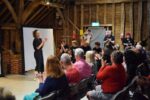
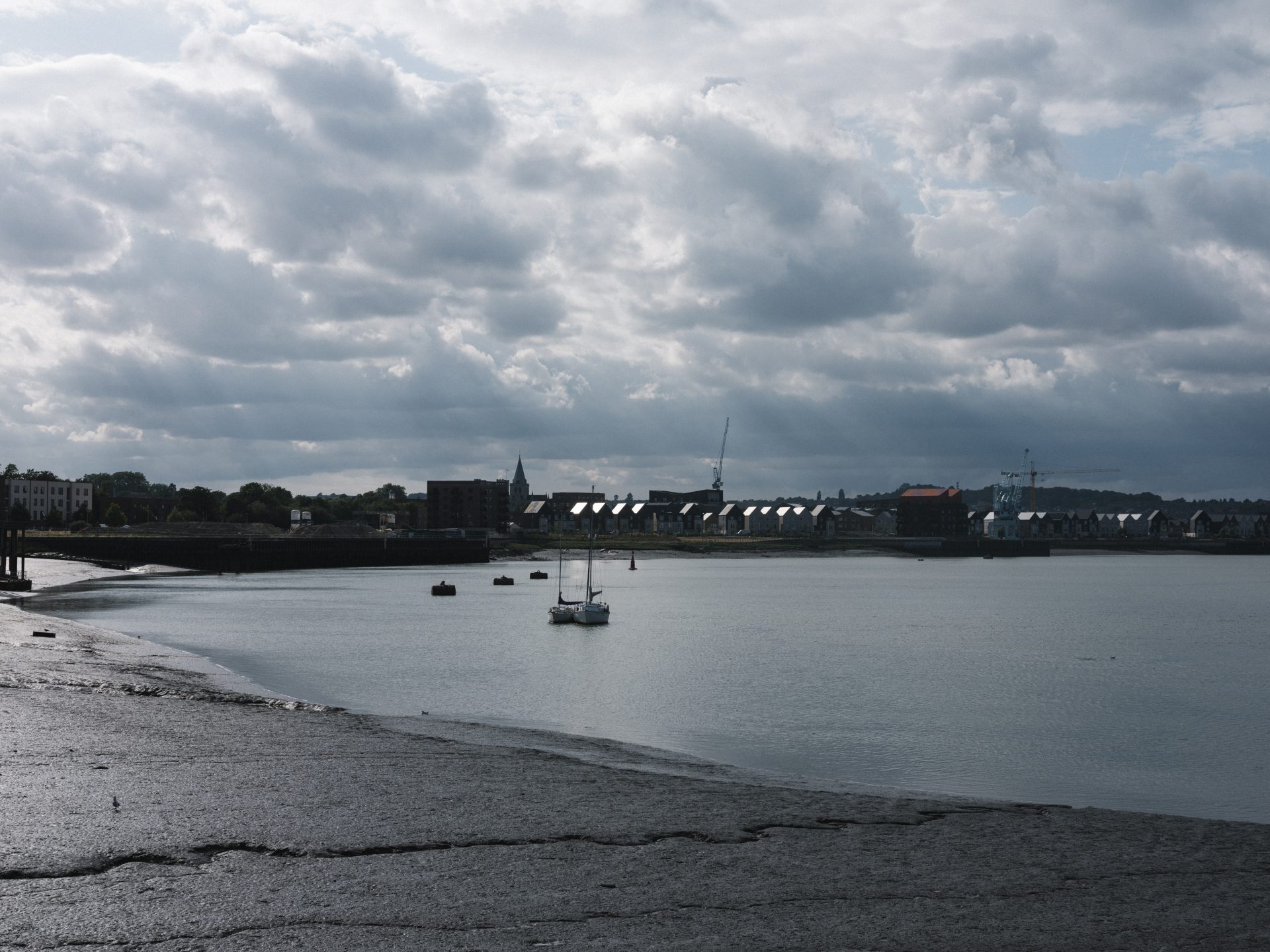
 In November 2024, Creative Estuary began working alongside 11 brilliant artists, creative makers and arts organisations across the Thames Estuary. Rather than simply funding projects, we chose to co-commission; collaborating from the start so each creative could shape, test and grow ambitious new work rooted in local places and communities.
Together, we set out to create work that feels alive to the region: work made with people, not just for them. Through investment and wrap-around support, these projects developed in conversation with the communities around them, evolving as new voices, ideas and partnerships came into the process.
The projects explored powerful and timely themes, including:
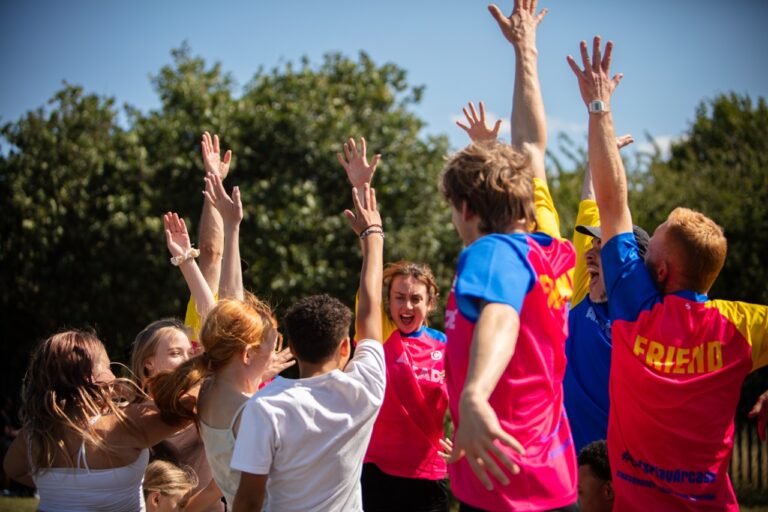
Each project took young people seriously, not as participants on the sidelines, but at the heart of the work. Many gained real, practical experience as producers, stage managers, curators and event organisers, opening up pathways into creative careers.
As the programme unfolded, ideas shifted and grew. Locations changed. Partnerships deepened. Artists adapted their plans in response to conversations with residents, honouring the distinct character of each place. Some projects began with one community and expanded to others, reshaping their direction along the way. These changes were signs of genuine collaboration. They strengthened the work and built lasting relationships.
For example, House of Stars formed new partnerships in Dartford and Gravesend, expanding their reach and connecting with marginalised young people. Estuary Dreams brought in new audiences, built confidence in Basildon’s filmmaking community, and are now developing advanced training opportunities for their original cohort, supporting local artists to aim for film festivals nationally and beyond.
Our co-commissions are about more than projects. They are about building confidence, skills and creative ambition across the Thames Estuary, and about growing culture together.
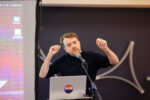
 ©Alisa Boanta
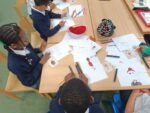
  ©Roswitha Chesher
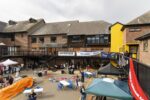
 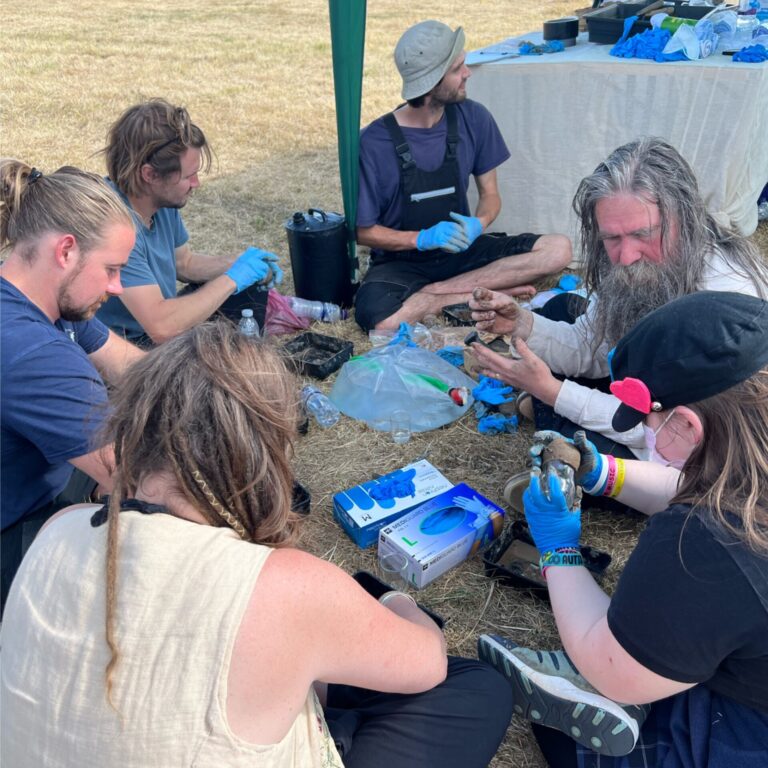 ©Nicky Howard-Ravenspine
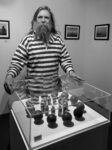
 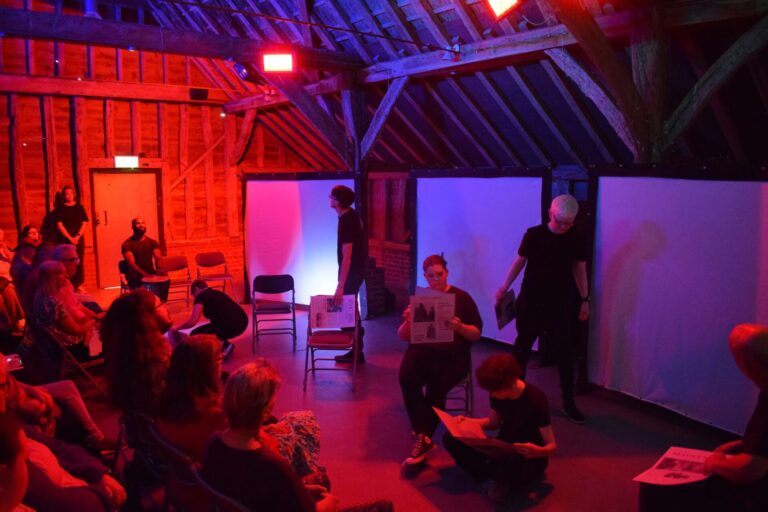 ©Alfie Cook
From the very beginning, young people were central to this programme, not as an add-on, but as collaborators, emerging creatives and future leaders.
Led by Natalie Reuter (who previously led Regeneration 2031), we took time to think carefully about how each project could genuinely support young people, whether that meant nurturing an emerging artist, offering hands-on production experience, or creating space for young voices to shape the work itself. Just as importantly, we worked with our partners to build their confidence and skills in engaging young people in meaningful, supported ways.
Young people became valued members of creative teams, contributing ideas, challenging thinking, and helping shape the direction of projects. In some cases, plans evolved to better match the capacity of the organisation and ensure that the experience was high quality and well supported.
For smaller organisations, this often meant centring workshops around young people, with a strong focus on production values and creative ambition. Larger organisations were able to offer structured “tester” roles that grew over time, from assistant director and stage manager to set design and advisory positions.
There were powerful examples of what this approach can achieve. Blueprint Arts’ The Forgotten Dead worked closely with young people and a youth advisory board to shape change within the project. Unpuzzled Theatre Company’s Revolt brought together an intergenerational cast and employed young people in paid roles including assistant director, stage manager and set designer, giving real responsibility and professional experience.
“I gained hands-on experience working on a live event (stewarding/running, set-up, set decoration, rehearsals), and in setting up a gallery space. It was great to have the opportunity to learn on a live show without the barriers of it being unpaid work. Thank you!” – Chloe Lewis, Blueprint Arts
“I was able to build upon my administrative skills in a production scenario, being the point of contact for community performers and assisting with reconciling expenses. I also gained experience in the overall responsibilities of a production assistant on a theatre tour focused on engaging particular groups, working from production schedules to book transportation and issue train tickets to performers. I had a great time working on this project and learned a lot about how companies might get funding and the parameters that come with it. I loved my time working on this project.” – Madeline Walsh, Applause Rural Touring
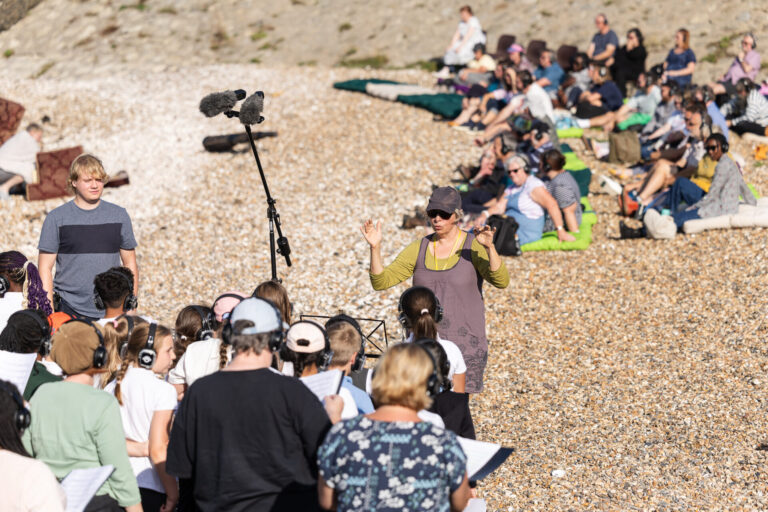
“Working with adult and school choirs for the first time, and in theatre as an AMD for the first time, has been a great experience and something valuable to put on my CV if I apply for more work in local theatre. It has also helped me think about my next steps in a career in the creative industries.” – Noah Lock, Icon Theatre